

What a Balanced Nigerian Meal Look Like: Walk into almost any Nigerian kitchen on a Sunday afternoon and you will find a pot of jollof rice, a bowl of stew thick with pepper and tomatoes, and perhaps a side of moin moin steaming on the stove. Nigerian food is rich, generous, and full of flavour. But if you have ever wondered whether your everyday meals are actually balanced, you are not alone. Many families ask the same question: what does a balanced Nigerian meal really look like, and is it possible to eat this way without breaking the bank?
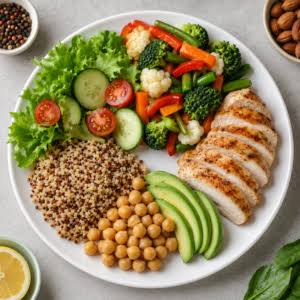
The good news is that a balanced Nigerian plate is entirely achievable, and it does not require imported superfoods or expensive supplements. Everything you need is already sold in local markets and on Sundry Agro: yam, beans, ugu, fresh fish, groundnuts, and dozens of other ingredients that have nourished Nigerian families for generations. This guide breaks down exactly what a balanced Nigerian plate looks like, why it matters, and how to build one for breakfast, lunch and dinner, even on a tight budget.
What Is a Balanced Diet?
A balanced diet simply means eating a variety of foods in the right proportions so that your body gets the energy, vitamins, minerals and fibre it needs to function well. According to the World Health Organization, a healthy diet rests on four core principles: adequacy, balance, moderation and diversity, and it should protect against both malnutrition and diet-related diseases such as diabetes, heart disease and stroke.
In practical terms, this means no single food group should dominate your plate. Instead, your meals should combine carbohydrates, proteins, healthy fats, vegetables and fruits, along with plenty of water. A balanced Nigerian meal is not about giving up rice, swallow or stew; it is about paying attention to proportion, preparation method and variety.
Why Balanced Meals Matter
Eating a balanced Nigerian diet is not just about looking good; it directly affects how you feel, think and function every day. Here is why it matters:
- Steady energy: A mix of complex carbohydrates and protein keeps blood sugar stable, so you avoid the mid-afternoon energy crash.
- Stronger immunity: Vitamins from vegetables and fruits help your body fight infections more effectively.
- Better weight management: Balanced portions reduce overeating and unnecessary weight gain.
- Lower risk of chronic disease: A varied, moderate diet lowers the risk of hypertension, type 2 diabetes and heart disease, all of which are increasingly common in Nigeria.
- Improved concentration for students and professionals: Micronutrients like iron and B-vitamins support brain function and focus.
- Healthy growth in children: Balanced meals give growing children the building blocks they need for bones, muscles and brain development.
The Five Food Groups
Every balanced Nigerian plate draws from five broad food groups. Understanding what each group does for your body makes it far easier to plan healthy meals without a strict diet chart.
Carbohydrates (Energy Foods)
Carbohydrates are your body’s main fuel source. Nigerian staples such as rice, yam, garri, fufu, amala and semo fall into this group. Whole grain and less-refined options like brown rice, unripe plantain, whole wheat swallow, millet and guinea corn release energy more slowly, which helps with fullness and blood sugar control.
Proteins (Body-Building Foods)
Proteins repair tissue and build muscle. Good Nigerian sources include fish, chicken, turkey, eggs, beef, goat meat, snails, prawns, crayfish, beans, moi moi, akara and soybeans. Fish and beans are particularly good choices because they are lower in saturated fat than red meat.
Fats and Oils
Fats provide concentrated energy and help your body absorb certain vitamins. The key is moderation and choosing healthier oils, such as groundnut oil or a modest amount of palm oil, over excessive deep-frying.
Vitamins and Minerals (Vegetables and Fruits)
Vegetables like ugu (pumpkin leaves), waterleaf, spinach, bitterleaf, okra and garden egg, alongside fruits like oranges, pawpaw, watermelon, banana and pineapple, supply the vitamins, minerals and antioxidants your body needs daily.
Fibre and Hydration
Fibre, found in vegetables, beans, whole grains and fruit, supports digestion and helps you feel full longer. Water and other fluids are equally important; the human body depends on adequate hydration for digestion, temperature regulation and concentration, so aim to drink water consistently throughout the day rather than relying on sugary drinks.
We have a gift for you, Download our free
Nigerian Food Groups at a Glance
| Food Group | Nigerian Examples | Nutritional Benefits |
| Carbohydrates | Rice, ofada rice, brown rice, yam, sweet potatoes, plantain, cassava, garri, fufu, amala, semo, wheat swallow, oatmeal, millet, guinea corn, maize, corn pap (ogi) | Provide energy; whole grain options add fibre and release energy slowly |
| Proteins | Fish, chicken, turkey, eggs, beef, goat meat, snails, prawns, crayfish, beans, moi moi, akara, soybeans | Build and repair muscle, support immunity, keep you full for longer |
| Fats and Oils | Groundnut oil, palm oil (in moderation), avocado, groundnuts, cashews | Supply concentrated energy; support absorption of fat-soluble vitamins |
| Vegetables | Ugu, waterleaf, spinach, bitterleaf, okra, garden egg, tomatoes, onions, cucumbers, carrots, bell peppers, cabbage | Rich in vitamins, minerals, fibre and antioxidants; low in calories |
| Fruits | Apples, bananas, oranges, pineapple, pawpaw, watermelon, avocado | Provide vitamin C, potassium and natural sweetness with fewer calories than processed snacks |
What Does a Balanced Nigerian Plate Look Like?
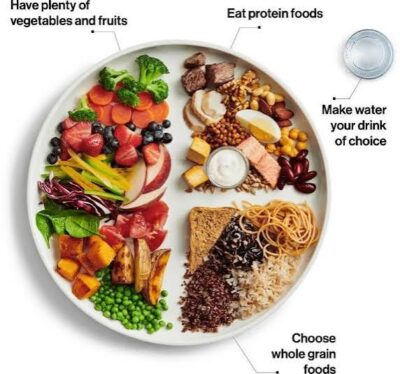
A simple way to picture a balanced Nigerian plate is to borrow the visual approach used by the Harvard Healthy Eating Plate, which recommends filling roughly half of your plate with vegetables and fruits, one quarter with whole grains or wholesome carbohydrates, and one quarter with protein, alongside healthy oils and water.
- Half the plate: vegetables and a portion of fruit, such as steamed ugu, garden egg sauce, or a side salad of tomatoes, cucumber and cabbage.
- A quarter of the plate: a wholesome carbohydrate, such as boiled yam, brown rice, ofada rice, or wheat swallow rather than an oversized mound of white rice or garri.
- A quarter of the plate: a lean protein, such as grilled fish, chicken, beans, moi moi or a mix of crayfish and prawns in a lightly oiled soup.
- A small amount of healthy oil, used for cooking rather than deep-frying.
- A glass of water, zobo without added sugar, or unsweetened fruit juice on the side.
This does not mean every single meal must look exactly like this. Rather, it is a helpful mental picture to return to when you are dishing out food, especially for family meals where portions can easily get out of hand.
Examples of Healthy Nigerian Breakfasts
- Corn pap (ogi) with a boiled egg and a side of pawpaw or watermelon.
- Oatmeal cooked with a little milk and topped with sliced banana and groundnuts.
- Akara (bean cakes) grilled or air-fried instead of deep-fried, served with pap.
- Whole wheat bread with avocado, a boiled egg and cucumber slices.
- Moi moi with a side of fresh fruit for a protein-rich start to the day.
Healthy Nigerian Lunch Ideas
- Ofada rice with a lightly oiled ayamase sauce and grilled fish.
- Beans and unripe plantain (a lower glycaemic swap for garri or ripe plantain).
- Brown rice and stew with grilled chicken and a side of steamed vegetables.
- Vegetable soup, such as efo riro made with less oil, served with a modest portion of amala or wheat swallow.
- Yam porridge (asaro) loaded with ugu, tomatoes and a portion of fish.
Healthy Nigerian Dinner Ideas
- Boiled yam or sweet potato with a light vegetable sauce and grilled turkey.
- Beans and corn (adalu) with a side salad.
- Pepper soup with catfish, prawns or goat meat, packed with uziza, scent leaf and ginger.
- Okra soup with fufu made from a mix of cassava and plantain flour for extra fibre.
- Grilled fish with steamed vegetables and a small portion of rice.
Affordable Healthy Meals for Low Budgets
Eating well in Nigeria does not have to be expensive. Some of the most nutritious foods, such as beans, eggs, crayfish, groundnuts, seasonal vegetables and local fruits, are also among the most affordable.
- Buy vegetables and fruits in season, when prices are lower and freshness is at its peak.
- Cook beans, moi moi or akara in bulk and refrigerate or freeze in portions for the week.
- Choose crayfish, dried fish and eggs as budget-friendly protein sources.
- Buy grains such as beans, millet and guinea corn in bulk to reduce the per-unit cost.
- Plan meals around what is on sale that week rather than buying impulsively.
- Use bundled grocery packs, such as protein saver packs and seasonal vegetable baskets, to stretch your food budget further.
Foods Nigerians Should Eat More Often
- Leafy greens: ugu, waterleaf, spinach and bitterleaf, all rich in iron and vitamins.
- Beans and legumes: an affordable, high-fibre protein source that also supports heart health.
- Fish: particularly oily fish, which supplies beneficial omega-3 fatty acids.
- Whole grains: brown rice, ofada rice, millet, guinea corn and whole wheat swallow.
- Fresh fruit: oranges, pawpaw, watermelon, pineapple and bananas, eaten as snacks instead of processed alternatives.
- Nuts and seeds: groundnuts and cashews, in modest portions, for healthy fats and protein.
Foods to Limit
The WHO recommends limiting free sugars, saturated fats and salt as part of a healthy diet, since excess intake of these is linked to obesity, hypertension and other noncommunicable diseases.
- Deep-fried foods, such as excessively oily fried yam, plantain and akara.
- Sugary soft drinks and heavily sweetened zobo or juice.
- Instant noodles and other highly processed, high-sodium convenience foods eaten too frequently.
- Excess seasoning cubes and table salt, which contribute to high sodium intake.
- Refined white bread and pastries eaten in place of more fibrous whole grain options.
Healthy Swaps for Everyday Meals
| Instead Of | Try |
| White bread | Whole wheat bread |
| Soft drink | Water or unsweetened zobo |
| Fried yam | Boiled or roasted yam |
| Instant noodles | Beans or moi moi |
| White rice (large portion) | Brown rice or ofada rice (moderate portion) |
| Deep-fried plantain | Grilled or air-fried plantain |
| Sugary snacks | Fresh fruit or roasted groundnuts |
| Excess palm oil | A blend of palm oil with groundnut or olive oil, used sparingly |
Common Healthy Eating Mistakes Nigerians Make
- Skipping breakfast, then overeating later in the day.
- Piling the plate high with carbohydrates while adding only a small amount of vegetables.
- Over-relying on seasoning cubes and salt instead of natural flavour from herbs and spices such as ginger, garlic, uziza and scent leaf.
- Deep-frying foods that could be boiled, grilled or roasted instead.
- Treating fruit as an occasional treat rather than a daily habit.
- Drinking too little water and replacing it with sugary beverages.
Healthy Portion Control
Portion size matters as much as food choice. A useful, low-stress method is the hand-based guide: a portion of protein roughly the size of your palm, a portion of carbohydrates about the size of your cupped hand, and vegetables filling as much space as your two hands can hold. This approach works well for Nigerian meals because it does not require weighing scales or calorie counting, just mindful dishing out.
Calories are simply a measure of the energy in food. You do not need to count every calorie, but being aware that fried and sugary foods are more calorie-dense than boiled, grilled or steamed foods can help you moderate portions naturally.
Sample One-Day Meal Plan
| Meal | Example |
| Breakfast | Corn pap (ogi) with a boiled egg and a slice of pawpaw |
| Mid-morning snack | A handful of roasted groundnuts and an orange |
| Lunch | Ofada rice with lightly oiled stew, grilled fish and a side salad |
| Afternoon snack | Sliced watermelon or a boiled sweet potato |
| Dinner | Vegetable soup (efo riro) with a modest portion of amala or wheat swallow |
| Hydration (all day) | At least 8 glasses of water, plus unsweetened zobo if desired |
Healthy Shopping Checklist
- Fresh vegetables: ugu, spinach, waterleaf, tomatoes, peppers, onions, carrots, cabbage.
- Fresh fruit: oranges, bananas, pawpaw, pineapple, watermelon, apples.
- Whole grains: brown rice, ofada rice, millet, guinea corn, whole wheat swallow, oatmeal.
- Proteins: fish, chicken, turkey, eggs, beans, crayfish, prawns.
- Healthy pantry staples: groundnut oil, crayfish, dried pepper, herbs and spices.
- Snacks: groundnuts, cashews, roasted plantain chips made with minimal oil.
You can shop for every item on this list, pre-sorted into fresh produce, proteins and pantry staples, through Sundry Agro’s online grocery marketplace, with delivery straight to your door.
Frequently Asked Questions
Is Nigerian food naturally healthy?
Yes, in its traditional form. Nigerian cuisine is built around whole foods such as yam, beans, leafy vegetables, fish and fruit. Where problems arise is usually in preparation, particularly excessive frying, oil and salt, rather than the ingredients themselves.
Can I eat swallow and still have a balanced diet?
Yes. The key is portion size and what accompanies it. A modest portion of swallow served with a vegetable-rich soup and a source of protein fits comfortably into a balanced Nigerian plate.
What is the cheapest way to eat healthy in Nigeria?
Beans, eggs, crayfish, seasonal vegetables and local fruits are among the most affordable and nutritious options available. Buying in bulk and shopping seasonally also helps reduce costs.
How can someone with hypertension or diabetes eat a balanced Nigerian meal?
Focus on reducing salt and seasoning cubes, choosing whole grains over refined carbohydrates, increasing vegetable intake, and limiting sugary drinks and fried foods. It is always best to work with a doctor or dietitian for a personalised plan.
How much water should I drink daily?
General guidance suggests around 8 glasses a day for most adults, though individual needs vary with body size, activity level and climate. Nigeria’s warm climate makes consistent hydration especially important.
Final Thoughts
A balanced Nigerian plate is not about abandoning the meals you grew up loving. It is about adjusting proportions, choosing less processed options where possible, and bringing more colour and variety to your table. Small, consistent changes, such as adding an extra vegetable side, swapping a sugary drink for water, or grilling instead of deep-frying, add up to a healthier lifestyle over time.
Start Building Your Balanced Plate Today
Ready to put this guide into practice? Sundry Agro makes it easy to shop fresh fruits, vegetables, whole grains and quality proteins, all delivered straight to your doorstep across Lagos and Ibadan. Skip the market stress and stock your kitchen with everything you need for a genuinely balanced Nigerian plate.
Shop fresh groceries on Sundry Agro