

Everything a Nigerian kitchen needs to know on how to buy and store tomatoes in Nigeria— from Mile 12 to your pot of stew
Tomatoes sit at the centre of Nigerian food culture in a way few other ingredients do. They’re in the stew that goes over rice, beans, yam, and plantain; in the jollof that shows up at every party; in the efo riro and native soups eaten with swallow; and in the quick egg sauce that rescues a busy weekday breakfast.
Nigerian tomato-processing company Tomato Jos estimates that as much as 40–50% of the country’s fresh tomato harvest is lost every year to poor post-harvest handling, before it ever reaches a market stall — a story that starts long before the tomato reaches your kitchen.
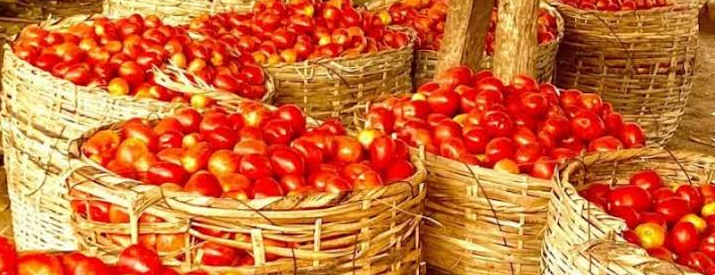
This guide fixes the buying, storing, and cooking side of that equation. Whether you shop at Mile 12, Mushin, or from your phone, here is everything you need to know to buy better tomatoes, store them properly, and cook with them like someone who has done this for decades.
A household that understands tomatoes well — what to buy, how to keep it fresh, and how to cook it properly — spends less money, wastes less food, and eats better on the same budget.
That’s the whole point of this guide.
Bookmark it — you’ll likely come back to specific sections whenever the season changes or you’re stocking up in bulk. If you’re curious about that side of things, we go behind the scenes in How Nigerian Farmers Grow Fresh Tomatoes.
Now, let’s get into it.
Buy and Store Tomatoes In Nigeria:: What to Look For?
Not all tomatoes sold in Nigerian markets are equal, and price is not always a sign of quality. Here is what actually matters when you’re picking tomatoes, whether you’re at the market or scrolling a delivery app. For a deeper, step-by-step walkthrough, see our dedicated guide on How to Choose Fresh Tomatoes.
Know the type you’re buying
Nigerian markets typically carry three broad types, and each behaves differently in the pot (see our full breakdown of Best Tomato Varieties in Nigeria):
- Ibadan/local round tomatoes — soft, juicy, high water content. Best for stew that will be fried down, since they break down fast.
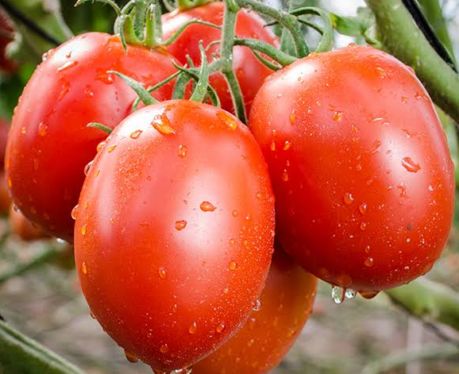
- Plum/Roma-style tomatoes — firmer, less watery, higher in natural sweetness and acidity. These give a richer, deeper stew colour and are more forgiving when stored.
- Green (unripe) tomatoes — used deliberately in some efo and native soups for a sharper, tangier flavour, and they last noticeably longer than ripe ones.
- Cherry and imported varieties — increasingly available in supermarkets for salads and garnishes rather than cooking. They’re sweeter and hold their shape well raw, but their price per kilo makes them impractical as a stew base for most households.
The 60-second inspection
Before you commit to a basket or a bag, a quick physical check saves you from getting home with produce that’s already turning. This takes less than a minute and works whether you’re at a stall or unpacking a delivery:
- Press gently near the stem. It should give slightly and spring back — rock-hard means unripe, mushy means it’s already turning.
- Check the skin for tiny punctures or dark soft spots. One bad tomato in a basket speeds up spoilage of the rest.
- Smell the stem end. A faint sweet, earthy smell signals ripeness; no smell at all often means it was picked too early.
- Buy by weight or basket only from a source you trust, and inspect from the middle of the basket, not just the top layer.
- Look at the colour distribution. An evenly coloured tomato ripened naturally; patchy colour with a hard core sometimes signals it was gassed to ripen faster during transport.
- Weigh a handful in your palm. Tomatoes that feel unusually heavy for their size are often carrying more water content, which is fine for stew but means less flesh once cooked down.
Where to Buy Tomatoes in Nigeria?
Where you shop changes the price, the quality control, and how much of your day it costs you. Each option has a real trade-off:
- Open markets (Mile 12, Mushin, Ile-Epo, Oyingbo): the cheapest option by far, especially if you buy directly from wholesalers early in the morning. The trade-off is time, transport, and the fact that quality varies stall to stall — you have to know what you’re looking at.
- Neighbourhood roadside sellers: convenient and fast, usually sold in small derica or paint-rubber measures. Prices per unit are higher than the big markets, but there’s no travel cost, and a good local seller will often set aside decent tomatoes for regular customers.
- Supermarkets: consistent quality and sometimes pre-packaged, but noticeably more expensive per kilo, and the packaging can hide bruising underneath.
- Online grocery delivery: a personal shopper inspects and selects on your behalf, and the basket arrives at your door. This trades a small delivery fee for the time and stress of a market trip — often a fair exchange for busy professionals and parents.
Tomatoes Bulk buying vs small purchases: the real math
Many Nigerian households default to buying tomatoes two or three times a week in small quantities, assuming it’s cheaper because each trip costs less.
In practice, the opposite is usually true once you account for transport time, fuel or transport fare, and the higher per-unit price that small quantities attract compared to a full basket.
A simple way to test this for your own household: price a full basket at the market rate, then price the equivalent weight in the small derica measures you’d normally buy across a month.
In most cases, the basket works out cheaper per kilo — sometimes by a significant margin — even before accounting for the time saved from fewer trips.
The blend-and-freeze method described later in this guide is what makes buying in bulk practical, since it solves the one real objection to buying more at once: the fear that it will spoil before you can use it all.
Common tricks to watch for
A few practices are common enough in Nigerian tomato markets that it’s worth knowing about them before you shop:
- Baskets packed with the best tomatoes visible on top and softer, damaged ones hidden underneath — always ask to see or feel the middle layer before paying.
- Tomatoes deliberately wetted down before weighing to add water weight — if a basket looks unusually damp with no rain in sight, that’s worth questioning.
- Measures (derica, paint rubber) that are slightly undersized compared to the standard — this is harder to catch, which is another reason a trusted regular seller, or a service that already vets its suppliers, is worth the small premium.
Where Nigeria’s tomatoes Come From?
Most of the fresh tomatoes sold in southern Nigerian markets, including Lagos, are grown in the north — particularly Kano, Kaduna, Katsina, and parts of Jigawa and Plateau State, where the dry season climate suits large-scale tomato farming.
From there, tomatoes travel long distances by road to markets like Mile 12, which is one reason quality can vary so much by the time a basket reaches a Lagos stall — rough roads, heat, and poor packaging all take a toll during transit.
Understanding this journey makes it easier to appreciate why buying from a seller who handles produce carefully, rather than the cheapest option in sight, is usually worth the small premium. We go deeper into the people and process behind this in How Nigerian Farmers Grow Fresh Tomatoes.
Tools that make tomato prep easier
A few basic kitchen tools take most of the stress out of buying in bulk and preserving tomatoes:
- A decent blender or grinder that can handle tomato, pepper, and onion together without needing constant water added — the less water in the blend, the less frying time needed later.
- Flat, freezer-safe bags or containers portioned to match how much stew base you actually cook in one sitting, so you’re not defrosting more than you need.
- An ice cube tray or small silicone mould for freezing small portions — useful for a single pot of soup, a quick sauce for one, or adding a spoon of tomato base to a dish that only needs a little.
- A wide, shallow basket or crate for short-term counter storage, which keeps air moving around the tomatoes far better than a tied nylon bag.
Time your purchase around the season
Tomato prices in Nigeria swing hard between the dry season glut (roughly November to March, when supply from the north is highest) and the rainy season scarcity (April to September), when the same basket can cost three to four times more — the full reasons why are in Why Tomatoes Become Expensive During the Rainy Season.
If you have freezer or storage space, buying in bulk during the glut and preserving it — rather than buying small quantities weekly at scarcity prices — is the single biggest money-saver for any household. Pair this with our Weekly Tomato Buying Guide to know exactly how much to buy and when.
| Skip the guessworkSundry Agro’s personal shoppers inspect every basket before it leaves the market — so you get the firm, ripe tomatoes described above without standing in the sun to check them yourself. Browse fresh tomato baskets on Sundry Agro or the green tomato pan for native soups, delivered straight to your door in Lagos and Ibadan. |
Storing Tomatoes the Right Way
Improper storage is why so many Nigerian households buy tomatoes twice a week instead of once. Tomatoes are living fruit that keep ripening after harvest, and how you store them decides whether that ripening ends in a good stew or in the bin.
For the full method, read How to Store Tomatoes, and if you’re wondering exactly how many days you have to work with, check How Long Do Tomatoes Last?.
1. Room temperature vs. the fridge
If your tomatoes are still slightly firm and you’ll use them within 3–4 days, leave them at room temperature, out of direct sunlight, in a single layer rather than piled in a nylon bag. Piling traps heat and moisture and speeds up rot from the bottom of the pile upward.
Only refrigerate tomatoes once they are fully ripe and you need to slow them down — cold temperatures stop the ripening process but also dull the flavour and can make the flesh mealy, so it’s a short-term fix, not a long-term storage plan.
2. Why containers and airflow matter
Tomatoes give off a natural ripening gas called ethylene, and in an enclosed nylon bag with no airflow, that gas builds up and speeds up softening for every tomato in the bag, not just the ripest one.
A shallow basket, a wide bowl, or a perforated crate lets that gas escape and keeps the batch ripening at a more even, manageable pace. If you must use a bag for transport, open it up and spread the tomatoes out as soon as you get home rather than leaving them sealed in the kitchen.
Keeping tomatoes away from onions is also worth knowing — onions release their own gases that can accelerate spoilage in nearby produce, so store them in separate bowls or sections of the kitchen rather than in the same basket.
3. Common storage mistakes that speed up spoilage
- Washing tomatoes before storing them rather than right before use — the extra moisture on the skin encourages mould and soft spots to develop faster.
- Storing ripe and unripe tomatoes together in the same tight pile, which speeds up ripening (and therefore spoilage) of the less ripe ones.
- Leaving a bad tomato in the basket “to deal with later” — one soft, leaking tomato accelerates spoilage in everything touching it, so remove it the moment you spot it.
- Keeping tomatoes right next to the cooker or a sunny window, where the extra warmth quietly shortens their shelf life by days.
4. The blend-and-freeze method (the real solution)
For most Nigerian homes, the most reliable way to “store” tomatoes is to not store them raw at all. Wash, deseed if you prefer a smoother stew base, and blend your tomatoes with pepper and onion in the ratio you already use for stew.
Portion the blend into flat freezer bags or containers sized for one pot of stew, and freeze flat so they stack and thaw quickly. See Can You Freeze Tomatoes? for a full breakdown of freezing times and thawing tips.
Done this way, a bulk basket bought cheaply in season can supply your kitchen for a month or more, and every portion is measured, pre-blended, and ready the moment power or time is short.
5. Tomato paste as backup, not replacement
Canned or tinned tomato paste has its place — it’s shelf-stable and useful when fresh tomatoes are scarce or expensive — but it cannot fully replace fresh blended tomatoes in flavour or texture (we compare both in Fresh Tomatoes vs Tomato Paste).
Many experienced Nigerian cooks use a mix: fresh blended tomato as the base, with a spoon or two of paste added only to deepen colour and concentrate the sauce. Prefer to make your own from scratch? Our guide on How to Make Homemade Tomato Paste walks through it start to finish.
| Stock your freezer without the market stressSundry Agro delivers tomatoes by the basket for bulk blending, plus pantry staples like TRS plum peeled tomatoes for the weeks you need a reliable backup. Set up a recurring order once and stop thinking about it. |
6. Sun-drying: the traditional method
Long before freezers were common in Nigerian homes, sun-drying was the standard way northern farmers and market women preserved a tomato glut for the lean months.
Sliced tomatoes are laid out on clean mats or racks in direct sun for several days, turned regularly, until they lose most of their moisture and can be stored in a dry, airtight container for months.
Rehydrated in warm water, they work well in stews and sauces during the scarce season. It’s more labour-intensive than blending and freezing, and needs consistent dry weather to work safely, but it remains a genuinely useful skill in areas with unreliable power supply for freezing.
Cooking with Tomatoes: Getting the Base Right
Almost every Nigerian sauce — stew, jollof, efo riro, obe ata din-din — starts from the same principle: a well-fried tomato-pepper base. Get this stage right and the rest of the dish takes care of itself.
1. Fry it out properly
The most common mistake is rushing this step. Blended tomato and pepper need to fry in hot oil until the raw, sour smell disappears and the mixture darkens and separates slightly from the oil — this can take 15–25 minutes depending on quantity and water content. Frying too little leaves a sour, watery stew; frying too long can turn it bitter and dry.
2. Balance the acidity
Fresh tomatoes vary in acidity by season and type. If a stew tastes unexpectedly sharp, a small pinch of sugar or a few extra minutes of frying will round it out — resist the urge to add more seasoning cubes, which won’t fix acidity and will only make the dish saltier.
3. Match the tomato to the dish
- Stew and obe ata din-din: firmer, plum-style tomatoes hold their colour and don’t water down the fry.
- Jollof rice: a mix of tomato and a little tomato paste gives the classic deep red colour without excess liquid that can make the rice mushy.
- Efo riro and native soups: some cooks prefer green or slightly underripe tomatoes for a sharper, less sweet backdrop to the greens and locust beans.
- Egg sauce and quick pan sauces: very ripe, soft tomatoes break down fastest and need the least cooking time.
- Ofada and ayamase (designer stew): tomato is used sparingly or left out entirely in some versions, since the dish leans on green pepper and iru for its flavour — a good reminder that not every Nigerian sauce needs a tomato base.
- Pepper soup and native soups from the south-south and south-east: tomato is often used lightly, mainly for colour, so that the pepper, uziza, and other native spices remain the dominant flavour.
How To Buy and Store Tomatoes In Nigeria: A Note On Nutrition
Beyond flavour, tomatoes bring real nutritional value to a Nigerian plate.
They’re a good source of vitamin C, potassium, and folate, and they’re rich in lycopene — the antioxidant compound responsible for their red colour, which is more available to the body once the tomato is cooked in a little oil, as happens naturally when frying a stew base.
This is one of the few cases where the traditional cooking method (long, oil-based frying) actually improves the nutritional value of the ingredient rather than reducing it, which is a good thing to know next time someone tells you fried stew is “unhealthy.”
Tomatoes are also low in calories and mostly water by weight, which is part of why they work so well as the bulk of a stew or sauce without weighing down a meal the way heavier ingredients would.
As with any food, balance and portion still matter, especially with the oil quantity used — a well-fried stew base doesn’t need to swim in oil to get the colour and depth right, just enough to properly break down the tomato and pepper.
Quick Reference: Storage Life by Method
As a rough guide for planning your kitchen around tomatoes:
- Room temperature, single layer, out of sunlight: 3–5 days for ripe tomatoes.
- Refrigerated, once fully ripe: 7–10 days, with some loss of flavour and texture.
- Blended and frozen in portions: 3–6 months without meaningful loss of quality.
- Sun-dried and stored airtight: several months to a year, depending on how thoroughly the moisture was removed.
- Tinned or tetra-packed paste, unopened: many months, per the manufacturer’s date; once opened, a week or two refrigerated.
These are general guides rather than hard rules — actual shelf life depends on the tomato’s ripeness at purchase, ambient temperature, and how it was handled before it reached your kitchen.
How many tomatoes should I buy for a month?
This depends on household size and how often you cook stew-based dishes, but as a rough guide, a family of four using tomato-based stew or sauce most days typically works through one to two medium baskets a month when buying in bulk and freezing in portions. Tracking your usage for a single month is the most reliable way to find your household’s real number — see our Weekly Tomato Buying Guide above for a fuller breakdown.
Is it safe to eat tomatoes that are slightly overripe?
Yes, as long as there’s no mould, no fermented smell, and no leaking. Overripe tomatoes are simply softer and sweeter, and are actually ideal for stews and sauces that will be cooked down anyway, since you’re not relying on them holding their shape.
Why does my stew taste watery even after frying?
This is almost always a sign the base wasn’t fried long enough, or that very watery, unripe tomatoes were used without adjusting the frying time. Give it more time on medium heat until the oil visibly separates from the tomato-pepper mixture, rather than adding more tomato paste to compensate.
Can I use tinned tomatoes instead of fresh ones?
Yes, tinned or tetra-packed tomatoes work as a reasonable substitute in a pinch, though the flavour and texture differ slightly from fresh, freshly blended tomatoes. Many Nigerian cooks blend the two, using tinned tomatoes to bulk out a base made mostly from fresh produce.
Does frozen tomato blend taste different from fresh?
There’s a small difference in texture — frozen and thawed tomato blend can be slightly more watery — but once fried down into a stew or sauce base, most people can’t tell the difference. Freezing preserves flavour far better than letting fresh tomatoes sit too long and start to turn.
How do I know if my tomato paste has gone bad?
Once opened, tomato paste should be refrigerated and used within a week or two. Signs it has turned include a sour or fermented smell, visible mould (even a small spot, which means the whole tin should be discarded), or a noticeably darker colour with liquid separating on top. When in doubt, it’s not worth the risk — throw it out.
What’s the best way to reduce tomato waste at home?
The single biggest change is buying with a plan rather than buying loosely and hoping to use it all. Decide how you’ll use a basket before you buy it — some fresh for immediate cooking, the rest blended and frozen in portions — so nothing is left sitting on the counter with no purpose until it spoils.
Do I need to peel tomatoes before cooking with them?
Not for most Nigerian stews and sauces, since the skin breaks down enough during the long fry and blends in once everything is blitzed together.
Peeling matters more for dishes where a very smooth texture is the goal, or if you’re making something like a light soup where visible skin flecks would stand out. If you do want to peel, a quick dip in boiling water for about 30 seconds loosens the skin so it slips off easily.
This article is the hub of our full tomato series. Dig into any of these for more detail:
- How to Choose Fresh Tomatoes
- How to Store Tomatoes
- Best Tomato Varieties in Nigeria
- Why Tomatoes Become Expensive During the Rainy Season
- Can You Freeze Tomatoes?
- Fresh Tomatoes vs Tomato Paste
- How to Make Homemade Tomato Paste
- How Long Do Tomatoes Last?
- Weekly Tomato Buying Guide
- How Nigerian Farmers Grow Fresh Tomatoes
How To Buy and Store Tomatoes In Nigeria : Bringing It All Together
Good tomato-based cooking in Nigeria isn’t about a secret ingredient — it’s about buying the right tomato for the job, storing it so it doesn’t go to waste before you use it, and giving the base sauce the time it needs on the fire. Get those three things right and every pot that follows — stew, jollof, efo riro — improves.
None of this requires special equipment or rare ingredients. It’s mostly a matter of habits: inspecting before you buy, choosing the right type for the dish, storing with airflow in mind, and building the freezer stash that turns a bulk-season basket into a month of ready meals.
Small, consistent habits like these are what separate a kitchen that’s constantly running out of tomatoes at the worst moment from one that always has what it needs. Whether you’re feeding a family of two or cooking for a full house every weekend, the principles in this guide scale with you — the only thing that changes is the quantity.
The part most households lose the most time and money on is the buying and storing stage — standing in traffic to reach a market, negotiating prices that shift by the week, and watching a basket spoil before it’s finished. That’s the exact gap a service like Sundry Agro was built to close.
| Ready to skip the market and start cooking?Sundry Agro’s personal shoppers hand-pick your tomatoes and every other ingredient on your list, and deliver them fresh to your door across Lagos and Ibadan. Shop fresh tomatoes and produce now →Set up a monthly delivery plan → |